







7 Essential Road Safety Tips for Drivers in South Africa
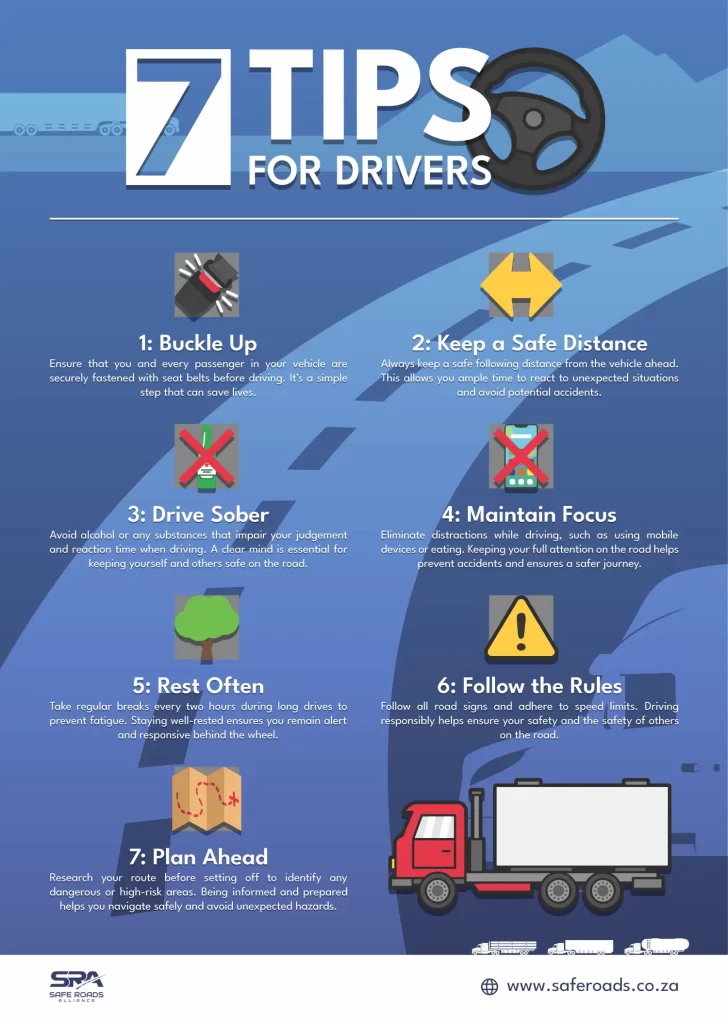
Road safety is not only about obeying traffic laws. It is about building the habits that protect you, your passengers, pedestrians, and other motorists every time you get behind the wheel. The attached driver poster highlights seven simple but powerful reminders: buckle up, keep a safe distance, drive sober, maintain focus, rest often, follow the rules, and plan ahead. Arrive Alive expands on these habits with practical advice for South African roads, including seatbelt use, rest breaks every two hours or 200 km, distraction-free driving, speed awareness, and route planning before departure.
Whether you drive daily in city traffic or travel long distances between provinces, these road safety tips can help reduce risk and make every trip safer.
1. Buckle Up Before You Even Start the Engine
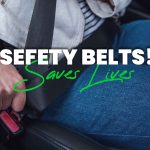
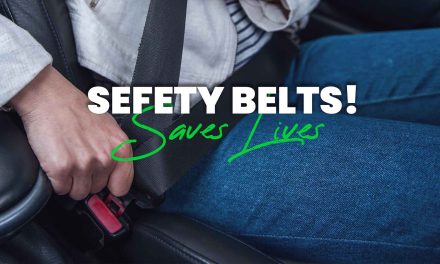
Wearing a seatbelt is one of the simplest and most effective road safety habits. Arrive Alive stresses that every person in the vehicle should be strapped in before the journey starts, and South African road safety guidance places responsibility on the driver to make sure passengers are restrained. Arrive Alive also notes that seatbelts remain one of the most effective safety features in any vehicle.
Too many drivers treat short trips as low-risk trips, but collisions often happen close to home, in traffic, and at intersections. Buckling up should never depend on distance, speed, or familiarity with the route. It should be automatic.
2. Keep a Safe Following Distance
Following too closely leaves you with less time to react if the vehicle ahead brakes suddenly, swerves, or stops unexpectedly. Arrive Alive recommends the three-second rule in normal conditions and increasing that distance in rain, at night, on wet roads, gravel roads, or when towing. Their guidance also points out that South African roads can be unpredictable, with sudden stops caused by traffic, pedestrians, taxis, or rural hazards.
A safe following distance gives you time and space. That space matters when visibility drops, when road surfaces are poor, or when other drivers behave unpredictably. Defensive driving is not about panic braking. It is about leaving room to respond safely.
A simple way to check your distance is to pick a fixed point ahead. When the vehicle in front passes it, count three seconds. If you reach that point too soon, you are driving too close. In bad weather, extend that gap even more.
3. Never Drive Under the Influence
Driving sober is non-negotiable. Arrive Alive directly warns drivers not to drink and drive and advises making alternative arrangements if alcohol will be involved. Impaired judgment, slower reaction times, reduced coordination, and poor decision-making can turn a normal drive into a life-threatening situation in seconds.
This applies not only to alcohol, but also to any substance that affects alertness, coordination, or concentration. Responsible road use begins long before the trip starts. If there is any doubt about your fitness to drive, do not take the wheel.
For families, businesses, and professional drivers, this is one of the most important safe driving tips in South Africa: plan a lift, use a sober driver, or delay the trip. Getting there later is always better than not getting there at all.
4. Maintain Focus and Eliminate Distractions
Distracted driving is one of the biggest threats on modern roads. Arrive Alive warns against driver distractions such as cellular conversations, texting, eating, emotional conversations, reading while driving, and other in-car activities that take your eyes, hands, or mind off the road. Their guidance is clear: stay focused, stay alert, and avoid using your phone while driving.
Many drivers think distraction only means texting. In reality, distraction can also be caused by passengers, children needing attention, personal grooming, adjusting devices, eating on the move, or simply driving while mentally overwhelmed. Even a few seconds of lost concentration can mean missing a pedestrian crossing, a vehicle braking ahead, or a sudden lane change in traffic.
If you need to answer a call, check directions, deal with children, or respond to something urgent, pull over safely first. A message can wait. Your safety cannot.
5. Rest Often and Respect Fatigue
Fatigue is a serious road safety risk, especially on long-distance trips. Arrive Alive advises drivers to rest before a journey and to take safety breaks every two hours or 200 km. They also describe driver tiredness as one of the most significant threats to road users and note that fatigue is linked to severe crashes such as head-on collisions and rollovers.
Many drivers underestimate tiredness because it comes on gradually. You may feel fine when you start the trip, only to become less alert as the hours pass. Difficulty focusing, frequent blinking, drifting in your lane, or missing road signs are warning signs that your body needs rest. Arrive Alive’s newer safe driving guidance for South African motorists repeats this same message: rather stop at a petrol station or rest area than push through when tired.
One of the best long-distance driving safety habits is to build your rest stops into the trip before you leave. Do not wait until you are exhausted to start looking for a place to stop.
6. Follow the Rules of the Road
Road rules are there to create predictability and reduce collisions. Arrive Alive advises drivers to stay within the speed limit at all times and to remain especially alert at intersections, traffic lights, and crossings. Their recent South African driver guidance also lists common speed limits as 60 km/h in built-up areas, 100 km/h on secondary roads, and 120 km/h on highways.
Following the rules is about more than avoiding fines. It is about protecting lives. Speeding reduces the time you have to react and increases the severity of crashes. Ignoring signs, overtaking recklessly, or treating familiar roads casually can create danger for everyone around you.
Safe driving in South Africa also means adapting to local realities. In urban areas, that may mean congestion, sudden stops, and pedestrians. On rural routes, it may mean potholes, animals near the roadside, or reduced visibility. A responsible driver reads the road, respects the law, and adjusts accordingly.
7. Plan Ahead Before Every Trip
Planning ahead is one of the most overlooked road safety habits, yet Arrive Alive repeatedly recommends it. Their guidance says checking weather and road conditions in advance helps you prepare for the route, avoid frustration, reduce the urge to rush, and make better decisions about traffic and rest stops. They also advise planning your route so you know what hazards to expect and allowing time for breaks along the way.
In South Africa, trip planning matters even more because driving conditions can change quickly. Summer rainstorms can make roads slippery or flooded, winter mornings can bring fog and frost, and rural roads may include potholes, livestock, or pedestrians near the roadside. Planning ahead helps you prepare for these realities instead of reacting to them at the last second.
Before leaving, check your route, estimate your travel time realistically, allow for delays, and make sure your vehicle is ready for the journey. A few minutes of planning can prevent hours of stress and significantly improve your safety.
Final Thoughts: Small Habits Save Lives
The best road safety tips for drivers are often the simplest ones. Wear your seatbelt. Leave enough space. Stay sober. Focus fully. Rest when tired. Follow the rules. Plan ahead. These habits do not require expensive technology or advanced driving skills. They require consistency, self-discipline, and a commitment to responsible driving.
Every trip is a chance to make safer choices. Whether you are commuting to work, doing school runs, managing a company fleet, or heading out on a long-distance journey, safer driving starts with better habits.
Review
85%
Summary 7 Essential Road Safety Tips for Drivers in South Africa