
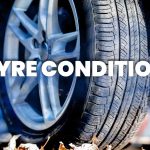







Tyre Condition and Road Safety in South Africa: Why Your Tyres Matter More Than You Think
Your tyres are the only part of your vehicle that touches the road. No matter how powerful your engine is or how advanced your braking system may be, your safety ultimately depends on four small contact points between your vehicle and the road surface.
In South Africa, where drivers regularly face long-distance travel, changing weather conditions, potholes, gravel roads, and high temperatures, tyre condition plays a major role in road safety.
Poor tyre maintenance can lead to blowouts, loss of control, increased stopping distances, and serious accidents.
According to SRA (Safe Road Alliance) road safety guidance, tyre failure remains one of the leading vehicle-related causes of crashes on South African roads.
Why Tyre Condition Is So Important
Healthy tyres improve:
- Vehicle stability
- Steering control
- Fuel efficiency
- Braking performance
- Grip during wet weather
Worn or damaged tyres reduce your ability to react safely during emergencies.
Even a small tyre problem can become dangerous at highway speeds.
The Three Key Areas of Tyre Maintenance
Tyre safety starts with regular maintenance and inspection.
Inflate: Check Tyre Pressure Monthly
Tyre pressure has a direct impact on safety and performance.
Underinflated tyres can:
- Overheat
- Increase fuel consumption
- Wear unevenly
- Reduce vehicle handling
Overinflated tyres may:
- Reduce road grip
- Cause uneven centre wear
- Increase the risk of damage on rough roads
SRA safety information recommends checking tyre pressure regularly, especially before long-distance travel.
Tyre pressure should always be checked when tyres are cold for the most accurate reading.
Rotate: Extend Tyre Lifespan
Tyres do not wear evenly because different wheels carry different loads and perform different functions.
Regular tyre rotation helps:
- Extend tyre life
- Improve balanced wear
- Maintain handling stability
- Improve braking consistency
South African drivers who travel long distances or frequently drive on rough roads should pay extra attention to tyre wear patterns.
Evaluate: Inspect Tyres Routinely
Tyres should be inspected frequently for:
- Cracks
- Bulges
- Uneven wear
- Embedded objects
- Sidewall damage
- Low tread depth
Small issues can quickly become major safety hazards if ignored.
Understanding Tyre Wear Patterns
Different tyre wear patterns can reveal underlying vehicle problems.
Exposed Tread Bars
Tread bars indicate tyres have reached the legal minimum tread depth and should be replaced immediately.
Driving with worn tread:
- Reduces wet-weather grip
- Increases stopping distance
- Raises hydroplaning risk
In South Africa, worn tyres become especially dangerous during heavy rain.
Shoulder Wear
Excessive shoulder wear may indicate:
- Underinflation
- Aggressive cornering
- Suspension issues
This type of wear reduces tyre stability and handling performance.
Centre Wear
Centre wear is often caused by overinflation.
Overinflated tyres create:
- Reduced road contact
- Less traction
- Faster central tread wear
This becomes particularly dangerous on wet or uneven roads.
Irregular Wear
Uneven or irregular wear may point to:
- Wheel alignment problems
- Suspension issues
- Incorrect tyre balancing
If ignored, these problems can affect steering control and braking performance.
Interesting Facts About Tyres and South African Roads
Road safety studies and SRA guidance reveal several important tyre-related facts:
- Hot road temperatures increase tyre pressure and stress.
- Tyre blowouts are more common during long-distance holiday travel.
- Wet roads dramatically reduce tyre grip when tread is worn.
- Poor tyre condition increases stopping distance significantly.
- Underinflated tyres generate excessive heat, increasing failure risk.
Tyres are often overlooked during routine vehicle maintenance, despite being one of the most critical safety
components.
Tyres and Wet Weather Driving
South African summer rainfall creates dangerous driving conditions, especially when tyres are worn.
Worn tyres struggle to disperse water properly, increasing the risk of:
- Hydroplaning
- Skidding
- Loss of steering control
Hydroplaning occurs when tyres lose contact with the road surface and ride on a layer of water.
Drivers should:
- Reduce speed during rain
- Increase following distance
- Ensure tread depth remains safe
How Tyres Affect Braking Distance
Tyre condition directly affects how quickly a vehicle can stop.
Poor tyres can:
- Increase stopping distance
- Reduce emergency braking performance
- Cause instability during sudden manoeuvres
At highway speeds, even a small reduction in grip can have serious consequences.
The Importance of Spare Tyres
Many drivers neglect their spare tyres until an emergency occurs.
A spare tyre should:
- Be properly inflated
- Be checked regularly
- Be free of visible damage
Emergency equipment such as a jack and wheel spanner should also remain in good condition.
Long-Distance Driving and Tyre Safety
South Africans frequently travel long distances during:
- Holidays
- Family visits
- Business travel
Before any long trip, drivers should inspect:
- Tyre pressure
- Tread condition
- Sidewalls
- Spare tyres
Preventative maintenance reduces breakdowns and roadside emergencies.
Common Tyre Safety Mistakes
Drivers often make avoidable tyre-related mistakes, including:
- Ignoring warning signs
- Driving on worn tread
- Overloading vehicles
- Skipping tyre inspections
- Delaying wheel alignment checks
These habits increase both safety risks and long-term vehicle costs.
Defensive Driving Starts With Vehicle Maintenance
Good driving habits include maintaining a roadworthy vehicle.
Responsible drivers understand that:
- Safe tyres improve reaction time
- Good grip improves control
- Vehicle maintenance prevents emergencies
Road safety starts before the engine is even started.
Final Thoughts
Tyres are one of the most important safety components on any vehicle.
Regular inspections, correct pressure, proper rotation, and replacing worn tyres can dramatically reduce accident risks on South African roads.
Remember:
A vehicle is only as safe as the tyres carrying it.
Looking after your tyres means looking after your life, your passengers, and everyone else sharing the road.
Review
98%
SummarTyre Condition and Road Safety in South Africa: Why Your Tyres Matter More Than You Thinky Your tyres are the only part of your vehicle that touches the road. No matter how powerful your engine is or how advanced your braking system may be, your safety ultimately depends on four small contact points between your vehicle and the road surface.