

Safe Overtaking in South Africa: Why Patience Saves Lives
Overtaking is one of the most dangerous manoeuvres drivers perform on South African roads. Every year, serious and fatal accidents occur because drivers attempt unsafe overtaking, ignore road markings, or underestimate the speed of oncoming traffic.
While overtaking may save a few minutes, doing it incorrectly can have devastating consequences.
Understanding when and how to overtake safely is a critical part of responsible driving and road safety.
Why Overtaking Is So Dangerous
Overtaking requires drivers to:
- Judge distance accurately
- Estimate speed correctly
- React quickly
- Watch multiple vehicles simultaneously
- Return safely to the correct lane
One small mistake can result in:
- Head-on collisions
- Side-impact crashes
- Rollovers
- Multi-vehicle accidents
According to SRA (Safe Roads Alliance) road safety guidance, unsafe overtaking remains one of the leading causes of severe crashes on South African roads, especially on rural and long-distance routes.
When You Are Allowed to Overtake
Drivers may only overtake when it is legal and completely safe to do so.
Safe overtaking requires:
- Clear visibility ahead
- Sufficient road space
- No oncoming traffic danger
- Proper road markings permitting overtaking
- Enough time to complete the manoeuvre safely
Drivers must never rely on assumptions or risky judgments when overtaking.
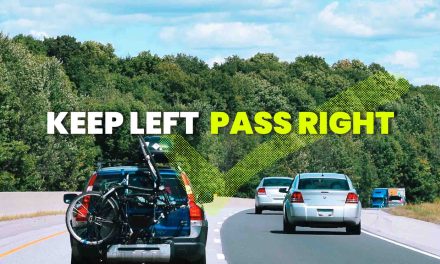
The Importance of “Keep Left, Pass Right”
South African roads follow the principle:
Keep Left, Pass Right.
Drivers should normally remain in the left lane and only move right temporarily when overtaking slower traffic.
After overtaking:
- Return safely to the left lane
- Maintain safe following distances
- Avoid cutting sharply in front of vehicles
Good lane discipline improves traffic flow and reduces frustration among motorists.
Situations Where You Must Never Overtake
Certain situations make overtaking extremely dangerous and illegal.
Near the Crest of a Hill
Drivers cannot see approaching vehicles clearly over a hill.
Many head-on collisions occur because drivers attempt overtaking without full visibility.
In Sharp Curves or Bends
Corners reduce sight distance significantly.
Even a few seconds of limited visibility can become deadly at highway speeds.
At Pedestrian Crossings
Vehicles may stop suddenly for pedestrians.
Overtaking in these areas places pedestrians at serious risk.
Near Scholar Patrols or School Areas
Children can move unpredictably near roads.
Drivers must remain especially cautious around schools, buses, and pedestrian zones.
In Poor Visibility Conditions
Never overtake when visibility is reduced by:
- Rain
- Fog
- Smoke
- Dust
- Darkness
Limited visibility reduces reaction time dramatically.
Across Barrier Lines
Solid no-crossing lines exist for safety reasons.
Ignoring them increases the likelihood of head-on crashes.
The Danger of Overtaking on Rural Roads
South Africa has many long-distance rural roads where overtaking risks are especially high.
These roads often involve:
- High travel speeds
- Heavy trucks
- Limited lighting
- Narrow shoulders
- Sudden curves
- Driver fatigue
SRA safety observations show that many severe crashes happen during risky overtaking attempts on two-lane roads.
Safe Overtaking Steps
Before overtaking:
- Check mirrors carefully
- Check blind spots
- Signal your intention early
- Ensure the road ahead is clear
- Accelerate smoothly and decisively
While overtaking:
- Leave enough space between vehicles
- Avoid lingering beside the other vehicle
- Stay focused on oncoming traffic
After overtaking:
- Return to the left lane only when fully clear
- Signal before moving back
- Avoid sudden lane changes
Patience and proper timing are essential.
Overtaking Trucks and Heavy Vehicles
Heavy vehicles create unique dangers during overtaking.
Trucks:
- Require longer stopping distances
- Create blind spots
- Can block visibility ahead
- May experience wind turbulence
When overtaking trucks:
- Ensure maximum visibility ahead
- Pass quickly but safely
- Never cut sharply back into the lane
Many accidents happen because drivers underestimate the length and speed of heavy vehicles.
Overtaking Stationary Buses and Public Transport
Drivers should always slow down when overtaking stationary buses or taxis.
Pedestrians, especially children, may suddenly appear from blind spots.
Extra caution is critical in:
- School zones
- Taxi stops
- Urban transport areas
- Residential streets
SRA road safety guidance emphasizes the importance of anticipating pedestrian movement around public transport vehicles.
What To Do When Another Vehicle Is Overtaking You
If another driver is overtaking:
- Keep left as safely as possible
- Maintain a steady speed
- Do not accelerate
- Stay predictable
Sudden acceleration while being overtaken creates unnecessary danger.
Safe roads require cooperation between drivers.
Interesting Facts About Overtaking in South Africa
Road safety data and observations show:
- Many fatal head-on collisions involve unsafe overtaking.
- Driver impatience is a major factor in overtaking crashes.
- Rural highways experience high rates of overtaking-related accidents.
- Poor visibility and fatigue often contribute to risky overtaking decisions.
- Heavy vehicle overtaking requires significantly more stopping and reaction distance.
A few seconds of impatience can change lives forever.
The Role of Defensive Driving
Defensive driving helps reduce overtaking risks significantly.
Good defensive drivers:
- Stay patient
- Avoid emotional driving
- Respect road markings
- Leave safe following distances
- Avoid unnecessary risks
- Understand their vehicle’s limitations
Safe overtaking starts with responsible decision-making.
Common Mistakes Drivers Make When Overtaking
Some of the most dangerous mistakes include:
- Misjudging oncoming traffic speed
- Following too closely before overtaking
- Overtaking multiple vehicles at once
- Ignoring road markings
- Overtaking without signalling
- Returning to the lane too early
These behaviours place everyone on the road at risk.
Why Patience Is One of the Most Important Driving Skills
Many overtaking accidents happen because drivers feel rushed, frustrated, or impatient.
Safe driving is not about arriving first —
it is about arriving safely.
Sometimes the safest decision is simply:
Wait.
Final Thoughts
Safe overtaking requires discipline, patience, visibility, and good judgment.
Road rules exist to protect everyone — drivers, passengers, pedestrians, and families travelling South African roads every day.
Every safe driving decision helps reduce accidents and save lives.
Remember:
No destination is worth risking your life for a dangerous overtake.
Review
85%
Summary Safe Overtaking in South Africa: Why Patience Saves Lives