

Rules of the Road in South Africa: Why “Keep Left, Pass Right” Matters
Road rules exist for one important reason — to keep every road user safe.
Whether you are driving on a busy highway, travelling between provinces, or commuting daily through city traffic, understanding and obeying the rules of the road helps reduce accidents, improve traffic flow, and protect lives.
One of the most important rules South African drivers should always remember is:
Keep Left, Pass Right.
Although many motorists know the rule, not everyone understands why it is so important — especially on modern highways and multi-lane roads.
Understanding “Keep Left, Pass Right”
In South Africa, drivers must generally keep to the left-hand lane and use the right-hand lane only for overtaking slower vehicles.
Once the overtaking manoeuvre is completed safely, drivers should return to the left lane.
This rule applies to:
- Highways
- Freeways
- Dual carriageways
- Multi-lane roads
According to SRA (Safe Roads Alliance) road safety guidance, improper lane usage contributes to congestion, frustration, dangerous overtaking, and serious accidents.
Why Keeping Left Improves Road Safety
Proper lane discipline creates smoother and safer traffic flow.
When drivers remain unnecessarily in the right lane:
- Faster traffic becomes blocked
- Drivers become impatient
- Aggressive overtaking increases
- Tailgating becomes more common
- Collision risks increase
Keeping left helps maintain predictable traffic movement and reduces unnecessary danger.
The Purpose of the Right Lane
The right lane is primarily designed for:
- Passing slower vehicles
- Temporary overtaking manoeuvres
- Returning safely to the left lane afterward
It is not intended for continuous driving at normal cruising speeds.
Even if you are travelling at the speed limit, remaining in the right lane unnecessarily may still disrupt traffic flow.
Common Problems on South African Roads
South African motorists often experience frustration caused by poor lane discipline.
Some common issues include:
- Slow vehicles staying in the right lane
- Drivers overtaking without enough space
- Aggressive lane switching
- Trucks blocking overtaking lanes
- Tailgating on highways
These behaviours contribute significantly to stress and unsafe driving conditions.
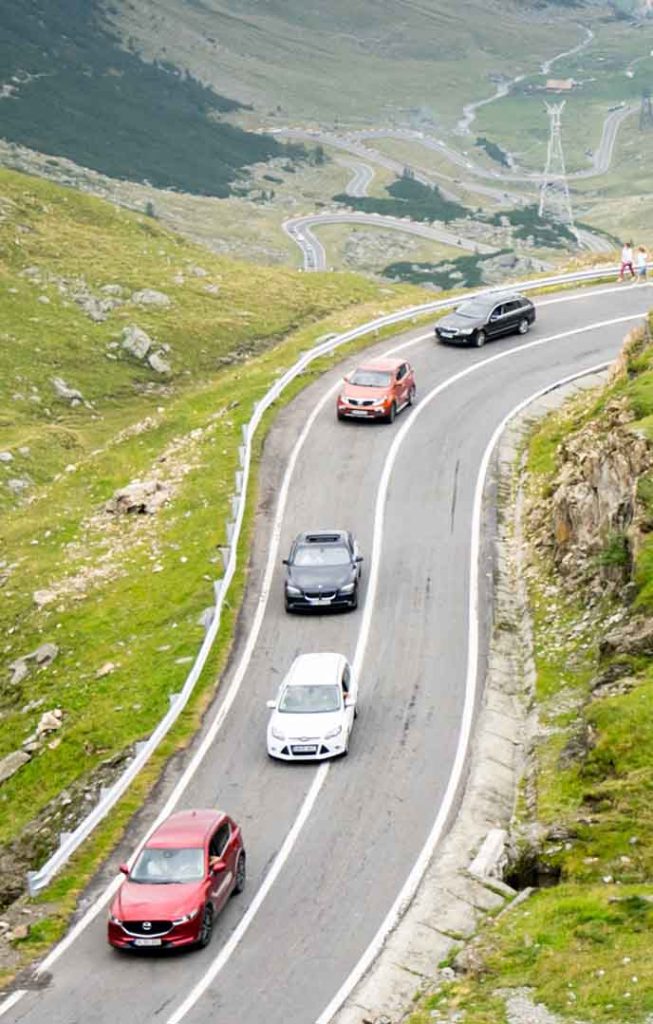
Interesting Facts About Lane Discipline in South Africa
Research and road safety observations referenced by SRA show that poor lane discipline contributes to:
- Increased traffic congestion
- Higher levels of road rage
- Dangerous overtaking behaviour
- Reduced reaction time during emergencies
Many drivers do not realise that improper lane usage can indirectly cause serious collisions — even without physical contact between vehicles.
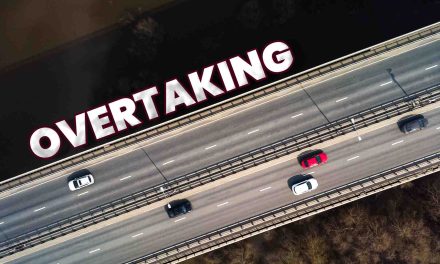
Why Overtaking Requires Extra Caution
Overtaking is one of the most dangerous driving manoeuvres if performed incorrectly.
Before overtaking:
- Check mirrors carefully
- Signal clearly
- Ensure enough distance ahead
- Avoid blind spots
- Never overtake on solid barrier lines
Drivers should only return to the left lane once it is completely safe to do so.
The Dangers of Driving in Blind Spots
Large vehicles such as trucks and buses have significant blind spots.
Remaining next to these vehicles for too long increases risk because:
- The driver may not see you
- Lane changes become dangerous
- Emergency reactions become limited
When overtaking heavy vehicles:
- Pass decisively
- Avoid lingering beside the vehicle
- Return safely to the left lane afterward
Highway Driving in South Africa
South African highways often involve:
- Long-distance travel
- Heavy trucking routes
- High traffic speeds
- Holiday congestion
- Sudden weather changes
Maintaining proper lane discipline becomes even more important under these conditions.
SRA road safety guidance emphasizes that defensive driving and proper lane usage help reduce risks on high-speed roads.
Tailgating and Right-Lane Driving
One of the biggest causes of tension on South African roads is tailgating in overtaking lanes.
Drivers who remain unnecessarily in the right lane often create:
- Frustration
- Aggressive driving behaviour
- Unsafe overtaking attempts
At the same time, following too closely is also dangerous and should always be avoided.
Safe driving requires patience and proper spacing between vehicles.
Safe Lane Changing Tips
Changing lanes safely involves more than simply steering across.
Drivers should:
- Check mirrors frequently
- Use indicators early
- Check blind spots physically
- Avoid sudden movements
- Maintain steady speed
Small mistakes during lane changes can quickly become serious accidents at highway speeds.
The Importance of Defensive Driving
Defensive driving means anticipating the mistakes of others and staying prepared.
Good defensive drivers:
- Stay calm
- Avoid aggressive behaviour
- Leave safe following distances
- Obey road markings
- Use lanes correctly
- Stay alert at all times
Road safety is not only about following rules — it is also about making responsible decisions.
Common Misunderstandings About “Keep Left, Pass Right”
Some drivers believe:
- The right lane is a “fast lane”
- Speed limits do not apply in the right lane
- They can remain there permanently if driving quickly
These misunderstandings often create unnecessary conflict and dangerous driving conditions.
The rule remains simple:
Keep left unless overtaking.
Final Thoughts
Road rules are designed to protect everyone — drivers, passengers, pedestrians, and cyclists alike.
Practising proper lane discipline and respecting the “Keep Left, Pass Right” rule helps:
- Improve traffic flow
- Reduce accidents
- Lower driver frustration
- Create safer roads for everyone
Every responsible driving decision contributes to a safer South Africa.
Review
98%
Road rules exist for one important reason — to keep every road user safe. Whether you are driving on a busy highway, travelling between provinces, or commuting daily through city traffic, understanding and obeying the rules of the road helps reduce accidents, improve traffic flow, and protect lives.y Road rules are designed to protect everyone — drivers, passengers, pedestrians, and cyclists alike.