


Following Distance in South Africa: Why Keeping Space Saves Lives
One of the most common causes of road accidents in South Africa is something many drivers underestimate every single day — following too closely.
Whether on busy urban roads, highways, or long-distance trucking routes, maintaining a safe following distance is essential for preventing collisions and giving drivers enough time to react to sudden dangers.
A few extra seconds of space between vehicles can mean the difference between a near miss and a fatal accident.
What Is a Safe Following Distance?
A safe following distance is the amount of space between your vehicle and the vehicle ahead that allows you enough time to stop safely if the driver in front brakes suddenly.
In simple terms:
If the vehicle ahead stops suddenly, you should be able to stop safely without crashing into it.
According to SRA (Safe Roads Alliance) road safety guidance, tailgating significantly increases crash risks because drivers do not leave enough reaction time in emergencies.
Why Following Distance Matters
Many drivers believe their brakes or driving skills are enough to avoid danger. However, even the best driver cannot overcome physics.
Stopping safely depends on:
- Speed
- Road conditions
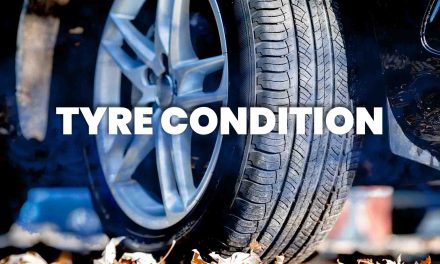
- Tyre condition
- Vehicle weight
- Weather conditions
- Driver reaction time
The faster you travel, the longer your stopping distance becomes.
At highway speeds, even a one-second delay in reaction time can cause a serious crash.
The Reality on South African Roads
South African roads often present unique challenges that make safe following distances even more important:
- Heavy traffic congestion
- Aggressive driving behaviour
- Minibus taxi lane changes
- Long-distance trucking traffic
- Wet roads during summer rainfall
- Potholes and uneven surfaces
- Night driving visibility issues
According to road safety reports referenced by SRA, rear-end collisions remain one of the most common accident types on South African roads, especially during peak traffic periods and holiday travel seasons.
The “3 Second Rule”
One of the easiest ways to maintain a safe following distance is the 3-second rule.
Here’s how it works:
- Pick a fixed object on the road ahead (sign, pole, bridge, etc.)
- When the vehicle in front passes it, start counting:
- “One thousand and one”
- “One thousand and two”
- “One thousand and three”
- If you pass the same object before reaching 3 seconds, you are following too closely.
When You Should Increase Following Distance
Three seconds is the minimum in ideal conditions.
You should increase your distance when:
- Driving in rain
- Driving at night
- Towing a trailer
- Carrying heavy loads
- Driving behind trucks or buses
- Driving on gravel roads
- Feeling tired or distracted
In poor conditions, experts recommend increasing the gap to 5–6 seconds or more.
Interesting Facts About Following Distance
Research and road safety studies reveal some alarming realities:
- Most drivers underestimate how long it takes to stop at high speeds.
- Tailgating drastically reduces the ability to avoid unexpected hazards.
- Wet roads can double stopping distances.
- Heavy trucks require much longer stopping distances than passenger vehicles.
- Distracted drivers often follow too closely without realizing it.
- Rear-end crashes are among the most common urban accidents in South Africa.
SRA road safety information also highlights that many crashes happen not because drivers are speeding excessively — but because they are simply too close to the vehicle ahead.
Common Causes of Unsafe Following Distances
Many drivers unintentionally follow too closely due to:
- Rushing or impatience
- Traffic congestion
- Driver aggression
- Distractions from phones
- Fatigue
- Overconfidence
Unfortunately, these behaviours can quickly lead to chain-reaction collisions involving multiple vehicles.
Following Distance and Heavy Vehicles
Following distance becomes even more critical around trucks and buses.
Heavy vehicles:
- Take much longer to stop
- Have larger blind spots
- May block visibility ahead
Never cut suddenly in front of a truck after overtaking. The driver may not have enough distance to stop safely.
According to South African road safety data, many severe highway accidents involve inadequate space between heavy vehicles and passenger cars.
Weather Conditions and Stopping Distance
South African weather conditions can change rapidly, especially during storm season.
Rain creates:
- Reduced tyre grip
- Reduced visibility
- Longer braking distances
On wet roads:
- Increase following distance significantly
- Reduce speed gradually
- Avoid sudden braking
Remember:
The road is often most slippery during the first rainfall after dry conditions.
Warning Signs You Are Following Too Closely
You may be driving dangerously close if:
- You cannot see the front vehicle’s mirrors clearly
- You need to brake suddenly often
- You feel pressured by surrounding traffic
- You have little time to react to lane changes
- You feel stressed or tense while driving
Safe driving should feel controlled and relaxed — not rushed.
Safe Following Distance Saves Lives
Keeping a safe following distance is one of the simplest and most effective ways to reduce accidents on South African roads.
A few extra metres of space can:
- Prevent rear-end collisions
- Reduce injury severity
- Improve reaction time
- Create calmer driving conditions
- Protect passengers and other road users
Road safety starts with small habits that make a big difference.
Final Thoughts
Following too closely may save a few seconds — but it can cost lives.
Every responsible driver should make safe following distances a daily habit, whether driving in city traffic, on rural roads, or on long-distance journeys.
Remember:
Space gives you time. Time gives you control. Control saves lives.
Review
96%
Following too closely may save a few seconds — but it can cost lives. Every responsible driver should make safe following distances a daily habit, whether driving in city traffic, on rural roads, or on long-distance journeys. Great article, thank you