





Safety Belt Rules in South Africa: Why Buckling Up Saves Lives
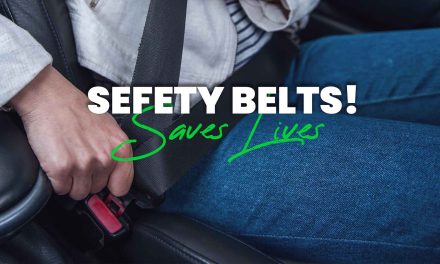
Wearing a safety belt is one of the simplest and most effective ways to protect yourself on South African roads. Whether you are the driver, a front-seat passenger, or sitting in the back, a seatbelt can reduce the risk of serious injury or death during a crash.
In South Africa, it is mandatory for vehicle occupants to wear seatbelts where they are fitted. This includes both front and rear passengers. Children under 3 years old must be secured in an appropriate child car seat, while children between 3 and 14 years old, or shorter than 1.5 metres, must use a car seat if one is available.
According to SRA (Safe Road Alliance), seatbelts and child restraints are designed to reduce injury during a crash by keeping occupants in position, reducing impact with the vehicle interior, and preventing people from being thrown from the vehicle.
Why Safety Belts Are So Important
A crash can happen in seconds. Without a seatbelt, the human body continues moving at the same speed as the vehicle until it hits something — the dashboard, windscreen, seat in front, or even another passenger.
Seatbelts help to:
- Keep you secured in your seat
- Reduce the risk of being ejected from the vehicle
- Spread crash forces across stronger parts of the body
- Protect other passengers from being hit by an unrestrained occupant
SRA highlights that an unrestrained rear-seat passenger can be thrown forward in a crash and seriously injure the driver or front passenger.
Safety Belt Law in South Africa
South African seatbelt law is set out under Regulation 213 of the National Road Traffic Act. SRA notes that adult occupants over 14 years old or taller than 1.5 metres must wear seatbelts where fitted, including drivers, front passengers, and rear passengers. The driver also has a responsibility to ensure passengers are properly restrained.
Children under 3 years old may only travel in a car if they are secured in an appropriate child restraint. This requirement has applied since 1 May 2015.
Interesting Facts About Seatbelt Safety
Seatbelts are not only for long trips. Many crashes happen close to home, often at low or moderate speeds.
Important safety facts include:
- Seatbelts can reduce driver fatalities significantly.
- Child restraints can reduce fatal injury risk by around 70% for infants and between 54% and 80% for young children.
- A properly restrained child is far safer than a child held in someone’s arms.
- Airbags are not a replacement for seatbelts; they are designed to work with them.
- Rear-seat passengers who do not buckle up can become dangerous projectiles in a crash.
SRA also reports that child restraint use in South Africa has historically been very low, with some observed usage rates as low as 10%.
Front Seat and Rear Seat Safety
Many passengers believe the back seat is automatically safer and that seatbelts are only necessary in front. This is a dangerous misconception.
Rear passengers must buckle up because, in a sudden stop or crash, they can be thrown forward with massive force. This can cause serious injury to themselves and to the people seated in front of them.
A seatbelt should be worn on every trip, no matter how short the journey is.
Child Safety and Car Seats
Children are not small adults. Their bodies are still developing, which means ordinary adult seatbelts may not protect them properly.
For children, the correct restraint depends on age, height, weight, and development. SRA guidance explains that all car seats must be correctly fitted and used properly to provide maximum protection.
Parents and caregivers should ensure that:
- Babies use rear-facing seats for as long as possible.
- The car seat is firmly installed.
- The harness is tight enough to secure the child safely.
- Children are not placed in an inappropriate seat for their size.
- Short trips are treated with the same safety priority as long journeys.
Common Seatbelt Mistakes
Many drivers and passengers still make simple mistakes that reduce safety.
Common mistakes include:
- Wearing the belt under the arm
- Placing the belt behind the back
- Leaving the belt too loose
- Allowing children to share seatbelts
- Holding babies instead of using car seats
- Assuming airbags are enough protection
A seatbelt only works properly when it is worn correctly.
How to Wear a Seatbelt Correctly
The lap belt should sit low across the hips, not across the stomach. The shoulder belt should cross the chest and shoulder, not the neck or face.
The belt should be firm, flat, and not twisted.
Correct seatbelt use helps the body absorb crash forces more safely and reduces the chance of severe injury.
Final Thoughts
Safety belts are a small action with a life-saving impact. Buckling up takes only a few seconds, but it can protect you, your passengers, and your family when it matters most.
Every trip should begin with one simple habit:
Buckle up before you move.
Review
96%
Safety Belt Rules in South Africa: Why Buckling Up Saves Lives Wearing a safety belt is one of the simplest and most effective ways to protect yourself on South African roads. Whether you are the driver, a front-seat passenger, or sitting in the back, a seatbelt can reduce the risk of serious injury or death during a crash. In South Africa, it is mandatory for vehicle occupants to wear seatbelts where they are fitted. This includes both front and rear passengers. Children under 3 years old must be secured in an appropriate child car seat, while children between 3 and 14 years old, or shorter than 1.5 metres, must use a car seat if one is available. According to SRA (Safe Road Alliance), seatbelts and child restraints are designed to reduce injury during a crash by keeping occupants in position, reducing impact with the vehicle interior, and preventing people from being thrown from the vehicle.