



What Are Blind Spots? Defensive Driving Safety Training for Commercial Vehicles
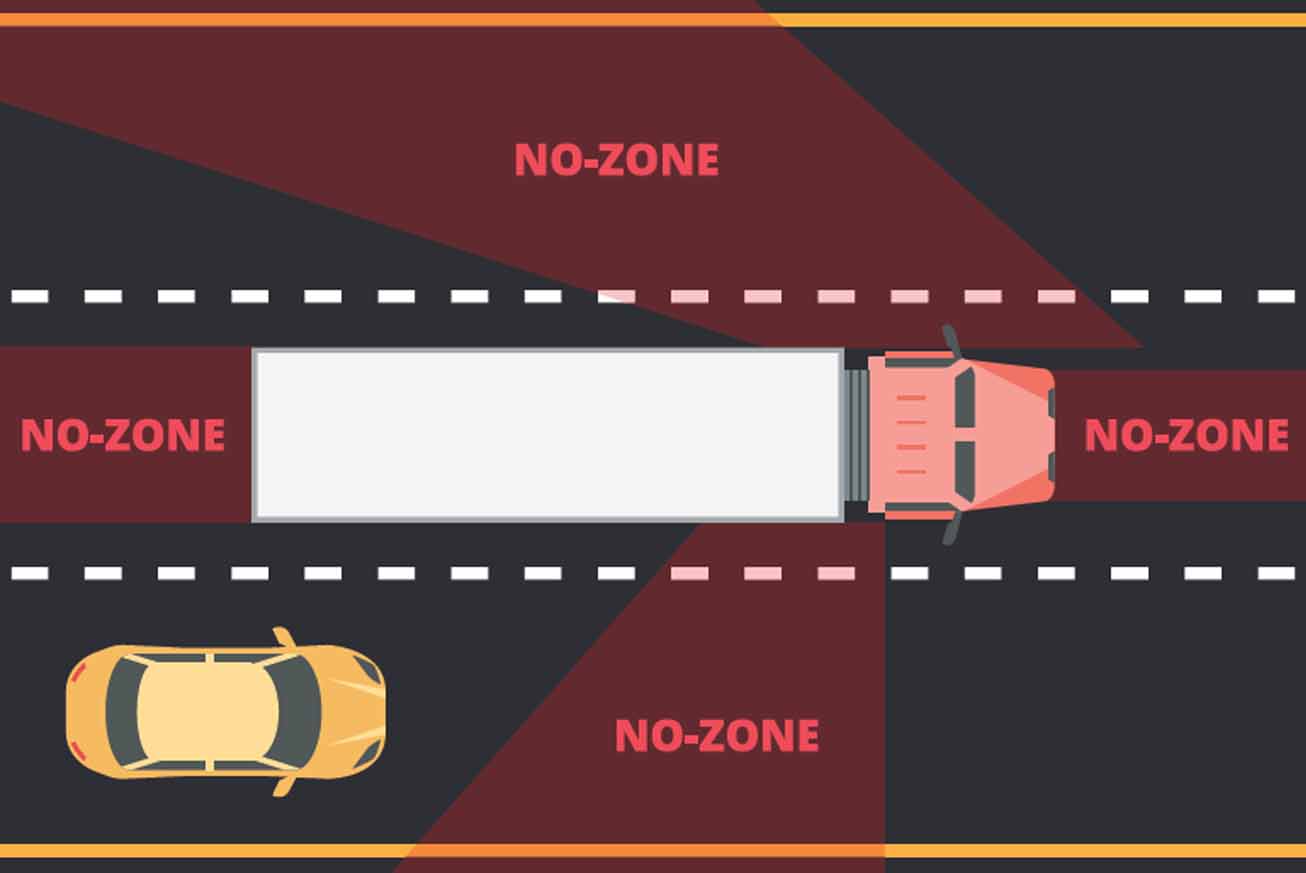
Large commercial vehicles have significant blind spots, making it impossible for the driver to see all surrounding road users at all times. These high-risk areas are known as No-Zones and are where crashes are most likely to occur.
Common No-Zones
Drivers must be aware of blind spots in the following areas:
– Side blind spots along both sides of the vehicle
– Rear blind spots directly behind the vehicle
– Front blind spots close to the cab
– Wide right-turn zones, where the vehicle swings outward
– Reversing zones, where visibility is severely limited
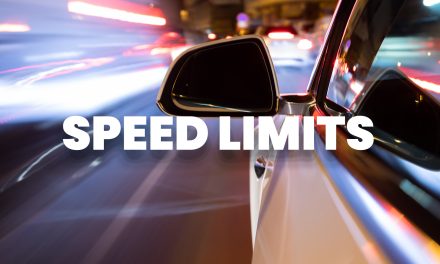
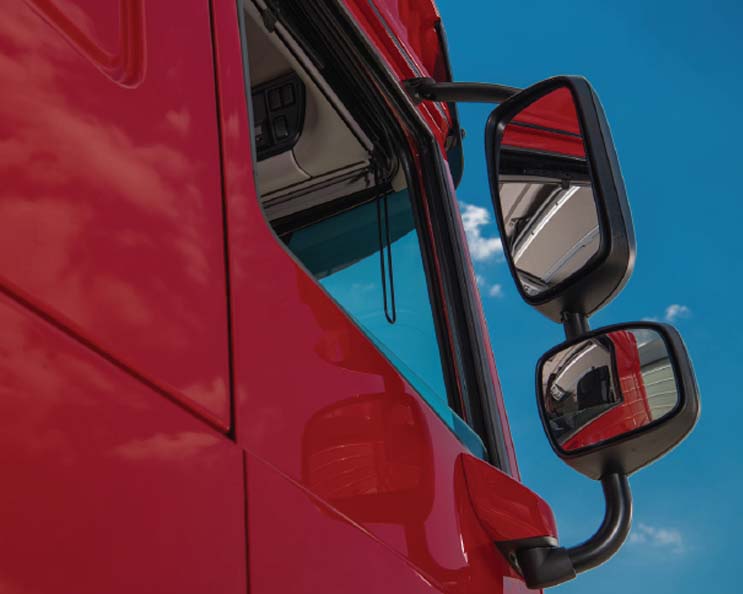
Constant mirror use and hazard awareness are essential to reduce risk in these areas.
Safe Right-Turn Procedure
Right turns in large vehicles require a systematic and defensive approach due to vehicle size, blind spots, and limited manoeuvrability.
The following actions should be performed in sequence where applicable:
– First mirror check
– First blind spot check
– Signal intention
– Second mirror check
– Brake smoothly
– Select the appropriate gear
– Second blind spot check
– Steer through the turn
– Accelerate safely once clear
These steps ensure the driver maintains control, visibility, and awareness throughout the manoeuvre.
Review
90%
Summary Blind spots on trucks and heavy vehicles reduce visibility and are a leading cause of road accidents, highlighting the importance of driver awareness and safety training.